Understanding ageing & skin tightening
Anti-ageing is an umbrella term rather than one diagnosis or procedure. Fine lines, changes in facial volume, skin texture, pigmentation and laxity are different concerns. A useful consultation starts with the feature you would like to change and how much change feels right for you. Looking more rested or improving a specific texture concern can be a clearer goal than trying to look a particular age. Your preference for a subtle result should be part of the discussion from the beginning.
Skincare, injectable treatments and energy-based procedures do not do the same job. A cream cannot be assumed to provide the lifting effect of surgery, and a procedure aimed at one feature may not improve another. The American Academy of Dermatology describes nonsurgical tightening results as generally more modest than surgical lifting. The right comparison is therefore between options for your particular concern, including choosing no procedure, rather than between broad labels such as premium, advanced or rejuvenating.
Could this be right for you?
Who it may suit
- Adults seeking an informed discussion of a specific concern rather than a general anti-ageing package.
- Those willing to consider gradual change, maintenance or no procedure after assessment.
What your assessment should cover
- Discuss facial movement, volume, laxity, previous procedures and the changes you wish to avoid.
- Ask who will perform the treatment, their qualifications and what emergency arrangements are in place.
How the care pathway works
Define the concern
Lines related to movement, volume changes and loose skin require different conversations.
Compare appropriate options
Botulinum toxin, fillers and ultrasound-based tightening have different purposes. Ask which, if any, fits your concern.
Agree on a measured plan
Set a clear goal, recovery expectations and review plan before treatment. More treatment is not automatically better.
Lines, volume and laxity are different treatment targets
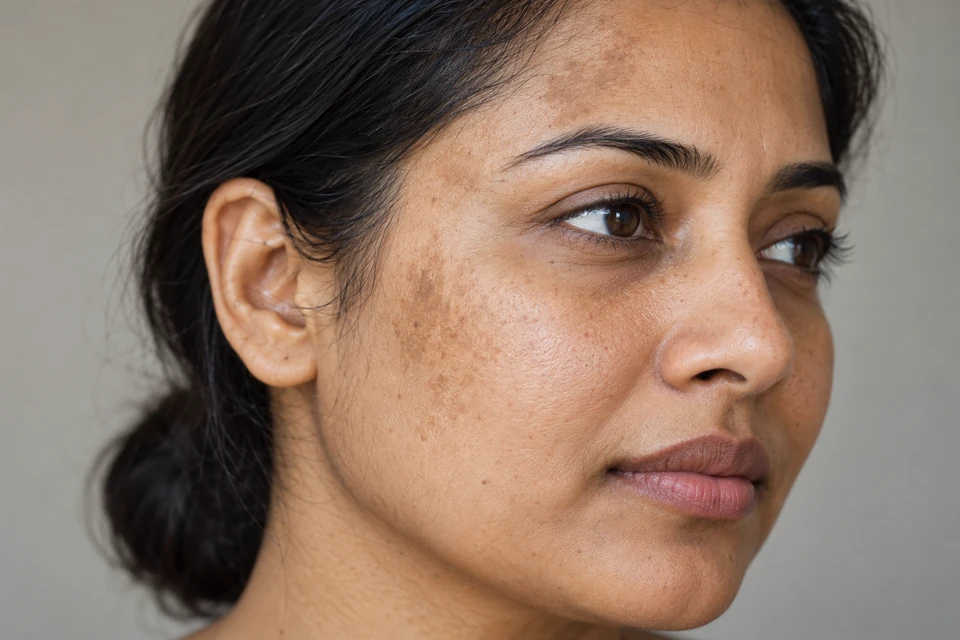
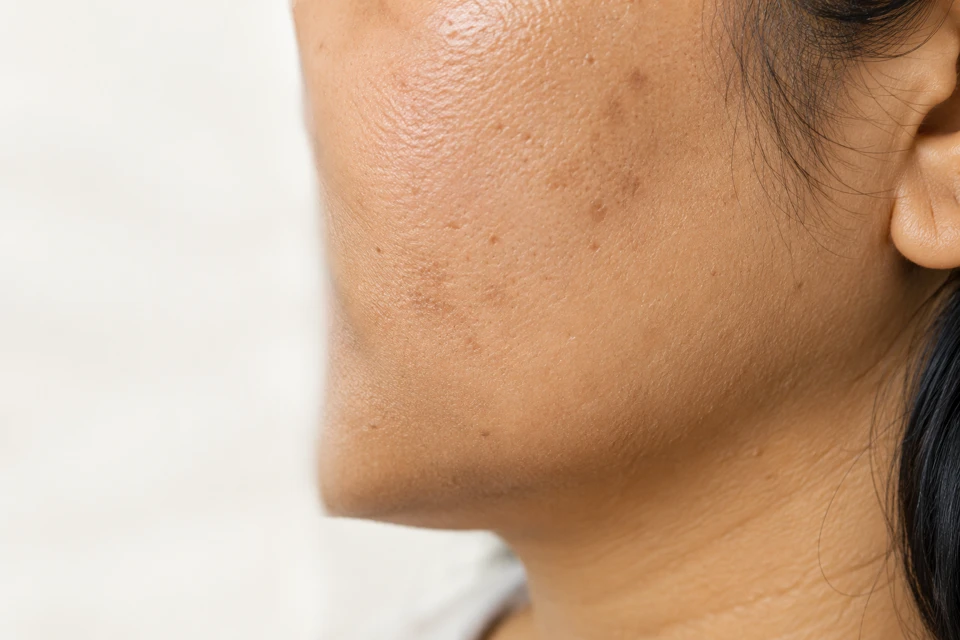
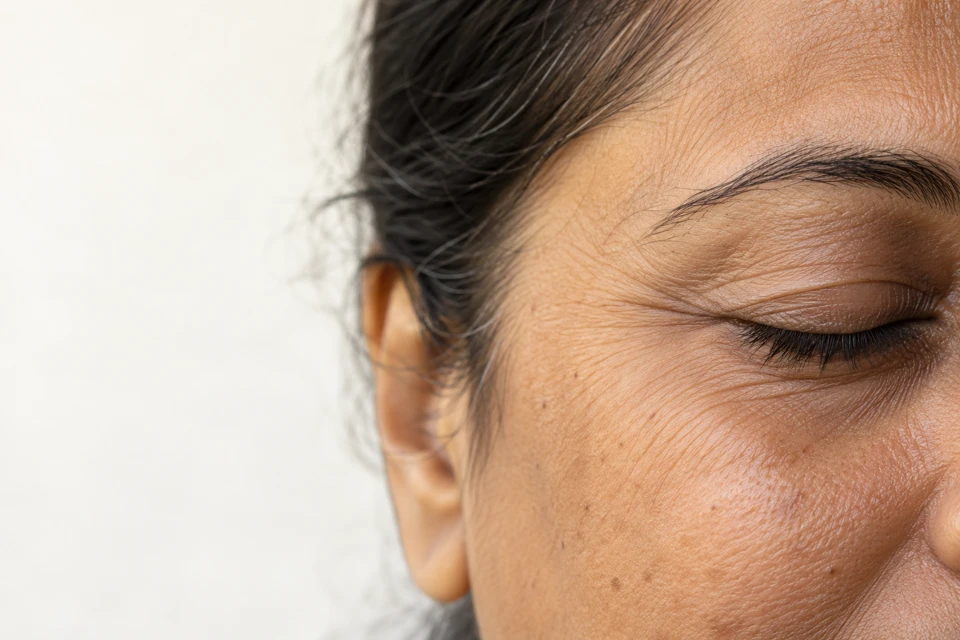
Facial ageing involves more than wrinkles. Repeated expression contributes to movement-related lines; changes in skin quality and underlying support can affect folds, volume and looseness. Sun exposure also contributes to visible skin change. Two people of the same age may therefore need different advice, and age alone is not a treatment indication.
A useful consultation identifies the feature you want to change and examines it both at rest and with expression. A line visible only while frowning is different from a fold that remains at rest. This distinction helps prevent a single product or device being presented as an answer to every concern.
How the main options differ
Botulinum toxin acts on selected muscles and can soften certain movement-related lines for a limited period. Fillers add volume in selected areas. They are different tools, with different risks and maintenance considerations; the product name alone does not establish whether either is appropriate for you.
Skin care may improve some surface features, while selected energy-based procedures aim to stimulate changes in deeper tissue. Non-surgical tightening generally produces a different degree of change from surgery. A topical product cannot be expected to lift substantial loose skin, and a tightening treatment cannot be assumed to replace lost volume.
An elective procedure still needs a medical safety plan
A decision should include the option of no procedure, a simpler routine or a staged treatment. For injectables, product identity, the person performing the treatment and access to follow-up all matter. A small treatment area does not remove the need for informed consent.
Fillers can rarely enter a blood vessel and cause serious injury, including tissue damage or visual harm. The clinician should explain warning signs and their urgent response arrangements before treatment. This risk is part of choosing a qualified medical provider, not a reason to select treatment solely by a low per-syringe price.
Plan a result that works with your features
Bring a description of what bothers you in normal daily life rather than a filtered photograph of someone else. Preserving familiar expression or avoiding a large change may be a valid priority. Treatment can be reviewed in stages so that the next decision is based on an actual response rather than a fixed list of procedures.
The estimate should distinguish the initial procedure, review, possible adjustments and later maintenance. The total also depends on the treatment area and product or technique. For an important event, leave room for swelling, bruising and review instead of assuming that the final appearance will be ready on the day of treatment.
The stages of your care
Assessment and priorities
Separate movement-related lines, volume concerns, skin texture and laxity before choosing any intervention.
Early change and review
Some treatments change appearance relatively quickly; others depend on gradual tissue response. Early swelling is not a settled result.
Maintenance
Effects and duration vary by procedure. AAD describes botulinum toxin effects as commonly lasting around three to four months; individual response and future treatment choices differ.
Preparing, and looking after yourself afterwards
Before your appointment
- Share previous injections, implants, medical conditions, medicines and allergies.
- Ask for instructions specific to the proposed treatment and avoid scheduling it immediately before an important event.
Aftercare and follow-up
- Follow written aftercare and keep the planned review appointment.
- Know how to obtain urgent advice for unexpected symptoms after treatment.
Risks and honest limits
- All procedures carry risks and results vary. Injectable and device treatments have different risk profiles.
- Non-surgical tightening cannot be assumed to give the same result as surgery.
Questions to help you decide
Keep the goal proportionate
Bring an unfiltered photograph if it helps explain the feature you want to discuss, but do not feel you need an edited image to justify a consultation. Ask the clinician to identify what is driving the visible change and what each option could reasonably address. Discuss the features you want to preserve as well as those you want to improve. A staged plan can allow time to review your response before considering any further change.
Ask procedure-specific safety questions
If injectables are proposed, ask for the exact treatment, product, practitioner qualifications and complication plan. Dermal fillers carry rare but serious risks if injected into a blood vessel, including tissue injury and vision loss; they are not simply a skincare service. Other treatments have different precautions. Consent should explain the relevant risks for the actual procedure and site. This page lists discussion points and does not confirm that every named option is offered at every clinic.
Consider the full commitment
Ask when the result is expected to be assessed, what recovery can involve and whether future maintenance may be needed. Plan around work, travel and any important event, leaving room for review if necessary. The estimate should state the proposed scope and what follow-up includes. Avoid choosing treatment solely because it can be completed quickly; time in the clinic, recovery, duration of benefit and future upkeep are separate parts of the decision.
Common questions about ageing & skin tightening
Are Botox, fillers and HIFU the same?
No. They address different concerns and require different assessments. Ask what each proposed treatment is intended to do.
Can I keep my facial expression?
Explain that priority clearly. Discuss the proposed treatment, its limits and how outcomes will be reviewed.
What should I check before proceeding?
The treating professional, product or device, risks, written aftercare, cost and contact arrangements for complications.
Can I improve one concern without changing my whole face?
A focused goal is a sensible starting point for discussion. Explain which feature concerns you and which features you want to retain. Ask whether a limited approach is appropriate, what its limits are and whether further treatment would be optional rather than assumed.
How do I decide between skincare and a procedure?
Ask what each option can realistically change for the particular concern, how long assessment will take, and the differences in risk, recovery and cost. A procedure is not automatically the better choice; suitability depends on the goal, the examination and your preferences.
Sources and further reading
General patient information. Your treating clinician should confirm which advice applies to you.