
Understanding hair fall
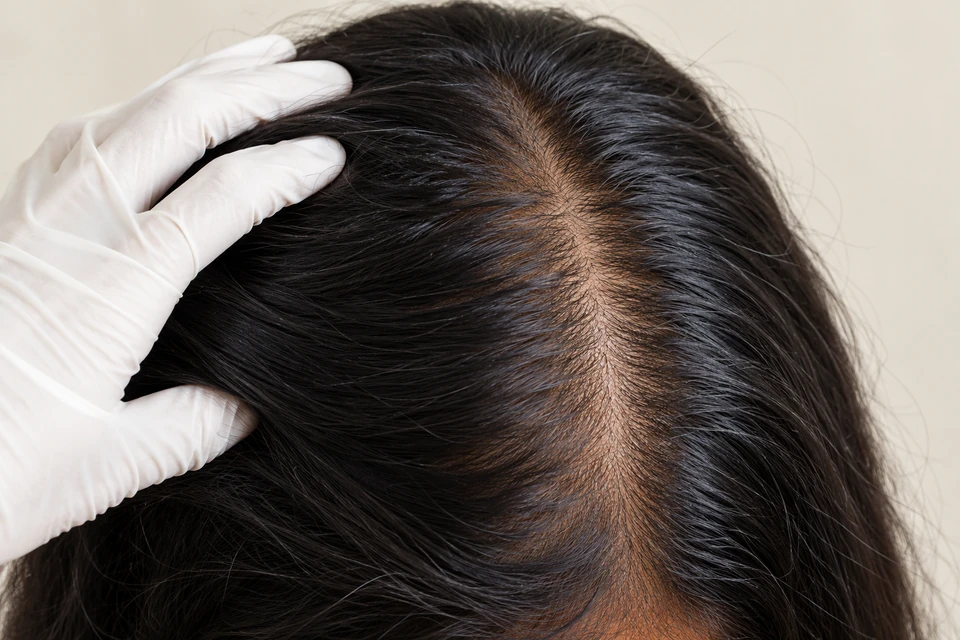
Hair fall is often described by the amount noticed on a comb, pillow or while washing, but that observation alone does not establish the cause. Increased shedding, hair breakage and gradual thinning can feel similar in everyday life. The pattern and timing matter. Tell the specialist when the change began, whether it came on suddenly and whether the scalp is uncomfortable. An assessment can help distinguish a temporary change from a condition requiring a different form of ongoing care.
The American Academy of Dermatology distinguishes excessive shedding from hair loss and explains that some people can experience both. Recent illness, major life changes and other events may be relevant to the history, but a possible trigger should not be treated as a diagnosis without assessment. Similarly, a photograph of hair collected after washing cannot determine whether a supplement or injection is appropriate. A useful first goal is to understand the pattern and decide whether examination or selected tests are needed.
Could this be right for you?
Who it may suit
- People noticing a change in shedding, visible density or their usual hair pattern.
- People with sudden, patchy or symptomatic loss should seek a medical assessment rather than self-select a cosmetic procedure.
What your assessment should cover
- Bring a timeline of shedding and any illness, stress, childbirth, medication or diet changes.
- Discuss itching, scaling, pain, tight hairstyles and previous hair treatments.
How the care pathway works
Distinguish the change
The specialist considers whether you describe shedding, breakage, thinning or more than one problem.
Investigate when indicated
Tests may be suggested if the history and examination point to an underlying issue; not everyone needs the same tests.
Treat the cause
The plan may involve scalp care, medication, habit changes or follow-up, depending on the diagnosis.
Why shedding can start after the trigger has passed
Hair follicles move through periods of growth, transition and rest. They do not all cycle together, which is why everyday shedding can occur without an obvious change in overall density. In telogen effluvium, more hairs than usual enter the resting and shedding stage after a disturbance. The visible shedding may begin around three months after an illness, childbirth, major stress or another trigger, rather than at the same time as the event.
Telogen effluvium generally produces diffuse shedding across the scalp rather than one isolated patch. It can reveal previously less obvious pattern thinning, so more than one process may be present. The delay between a trigger and shedding explains why a recent shampoo change is not always the cause. Equally, a plausible trigger is only part of the history; persistent or unusual loss needs a proper assessment.
Shedding, breakage and scalp disease need different care
A shed hair and a broken strand are not the same observation. Breakage concerns the shaft, while shedding relates to release of a hair from its follicle. Hair length, grooming and washing frequency change what collects in a comb, making daily strand totals an unreliable standalone diagnosis. The distribution of loss, scalp appearance and history provide more useful clinical context.
New smooth patches, marked scaling, painful areas or an inflamed scalp are reasons to arrange assessment rather than assume ordinary shedding. Some conditions primarily affect the growth cycle, while others involve the hair shaft, inflammation or follicular damage. A universal anti-hair-fall package cannot address all of these mechanisms. Examination may be sufficient in some cases; selected blood tests or other investigations are used when the findings justify them.
What recovery-focused care looks like
For a diagnosed temporary shedding condition, care may involve addressing the trigger, maintaining adequate nutrition and monitoring recovery rather than adding a procedure. Severe dietary restriction deserves discussion; no single food or oil is a reliable treatment for every cause. Regrowth and restored fullness take time because a new strand must grow in length before it contributes much to the appearance. Reduced shedding can therefore precede visible recovery.
A sustainable plan considers gentle grooming, manageable styling and any relevant treatment for the scalp. Avoid interpreting every wash as a test of success. A written review interval and consistent photographs can reduce unhelpful day-to-day comparisons. Cost planning in India should separate consultation and indicated tests from optional cosmetic coverage or procedures. Paying for several products at once can obscure what is necessary and make it harder to identify which change helped.
The stages of your care
Reconstruct the history
Look back beyond the first visible shedding to relevant illness, life events, medicine changes and dietary restriction.
Diagnosis-led care
Address identified causes and follow the agreed routine. Some temporary shedding conditions improve without an injection-based procedure.
Monitor recovery
Shedding and fullness may recover at different speeds. Persistent progression, a new pattern or scalp symptoms warrants reassessment rather than indefinite observation.
Preparing, and looking after yourself afterwards
Before your appointment
- Bring a medication list and older photographs that show the change.
- Avoid starting several supplements or treatments at once before the assessment.
Aftercare and follow-up
- Use the agreed routine and attend the review rather than repeatedly switching products.
- Tell the clinic about new symptoms or a rapid change in the pattern.
Risks and honest limits
- A procedure or supplement cannot be assumed to help every cause of hair fall.
- Do not stop a medicine you suspect is involved without speaking to the prescriber.
Questions to help you decide
Build a useful timeline
Write down when shedding increased and any changes in health, medicines, diet or routine around that period. Include previous episodes and whether the hair returned to its usual appearance afterwards. If you have old photographs that show your parting or hairline, bring a few rather than trying to count every strand. The aim is to provide context for the clinical assessment, not create a daily tracking task that adds to worry.
Discuss tests with a purpose
Ask what question each proposed test would answer and how the result could change management. A clinician may consider investigations when the history or examination suggests an underlying cause, but a broad package of tests is not automatically necessary for everyone. Bring existing reports and current prescriptions to avoid repeating information. Do not start multiple supplements or stop prescribed medicine based only on an online explanation of hair fall.
Choose follow-up over quick promises
Agree what the initial plan is trying to achieve and when its effect will be reviewed. If shedding and thinning coexist, the plan may need to address both rather than treating every symptom as one problem. Ask which scalp symptoms or new changes should prompt an earlier appointment. A claim to stop all hair fall immediately is not a helpful benchmark; the review should relate to the diagnosis, your starting point and the course of your symptoms.
Common questions about hair fall
Is shedding always permanent hair loss?
No. A specialist can distinguish excess shedding from other patterns and explain what the assessment suggests.
Should I book PRP straight away?
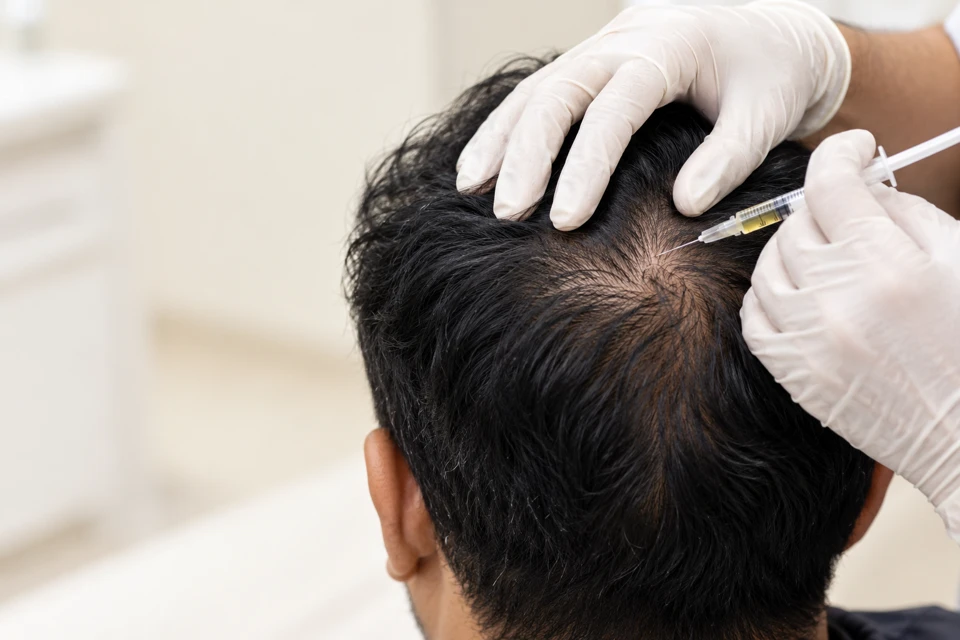
Start with a diagnosis. An injectable procedure may not be the appropriate first step.
Should I take hair vitamins?
Ask whether there is a reason to suspect a deficiency. Supplements are not a substitute for assessment.
Does visible hair in the shower always mean baldness?
No. Shedding and progressive loss of density are not the same thing, although they can overlap. The amount you notice also depends on your washing and grooming routine. Seek an assessment if the change is persistent, concerning or accompanied by visible thinning or scalp symptoms.
Should I buy a supplement before the consultation?
Bring your concerns and any existing test results first. Supplements are not a substitute for establishing the cause, and more products do not necessarily produce a better outcome. Ask whether there is a specific reason to recommend one and how its use will be reviewed.
Sources and further reading
General patient information. Your treating clinician should confirm which advice applies to you.