Understanding hair thinning
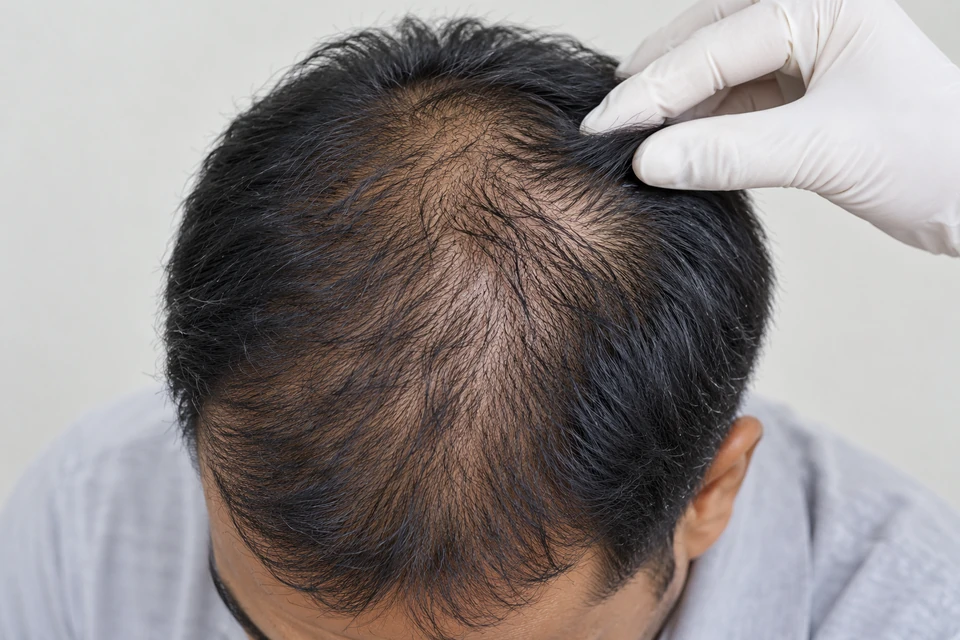
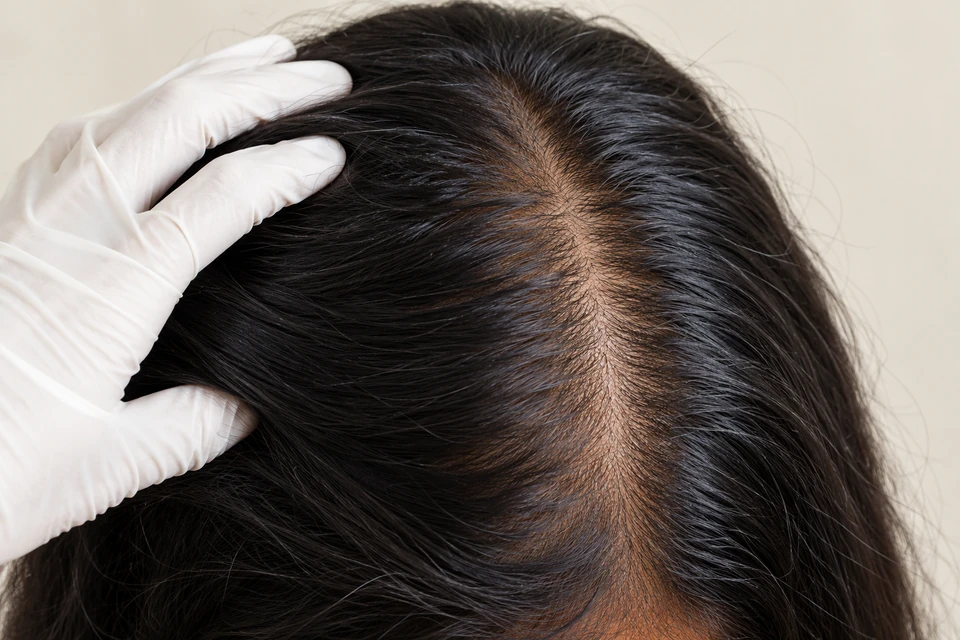
Hair thinning usually describes a change in visible density: a wider parting, reduced fullness, a more visible scalp or a changing hairline. It may develop gradually and can occur without a dramatic increase in shedding. Different patterns need different assessment. Your starting photographs, family history and previous treatment can help frame the conversation, but they do not replace examination. The important first decision is whether the change reflects pattern hair loss, another scalp condition or a combination of factors.
The aim of care may be to preserve existing hair, improve the appearance of density or provide cosmetic coverage. These are related but distinct goals. Medical treatment, injection-based options, transplantation and a hair system do not work in the same way. Ask which goal is realistic in your case and what evidence supports the proposed approach. If the scalp has inflammation or another active problem, that may change the sequence of care rather than simply adding a density treatment.
Could this be right for you?
Who it may suit
- People noticing gradual loss of density or a change in parting or hairline.
- People considering treatment who want a comparison of medical care, procedures and cosmetic coverage.
What your assessment should cover
- Discuss family history, timing, scalp symptoms and earlier treatment responses.
- Ask how the condition may progress and whether the goal is stabilisation, increased density or coverage.
How the care pathway works
Record a baseline
Consistent photographs and scalp assessment can help separate real change from lighting or styling differences.
Compare care options
The plan depends on the diagnosis and may include medical treatment, a procedure or cosmetic options.
Review sustainably
Ask what treatment requires ongoing use and when to reconsider the plan if it is not meeting agreed goals.
How a follicle can produce progressively finer hair
In pattern hair loss, affected follicles can undergo miniaturisation: the hairs they produce become finer and shorter. More scalp can become visible even when hair is still present. This differs from suddenly shedding a large number of otherwise full-sized hairs. Genetic and hormonal influences are involved, but a family history is not a complete diagnostic test and relatives can show different patterns and degrees of change.
Male pattern loss often affects the frontal hairline and top of the scalp. Female pattern loss commonly presents as reduced density and a widening parting. These descriptions help explain common presentations; they are not rules for diagnosing yourself. Atypical patterns, inflammation, patchy loss or rapid change can point to another condition and should be assessed before a standard pattern-loss treatment is selected.
Preserving hair, stimulating growth and creating coverage
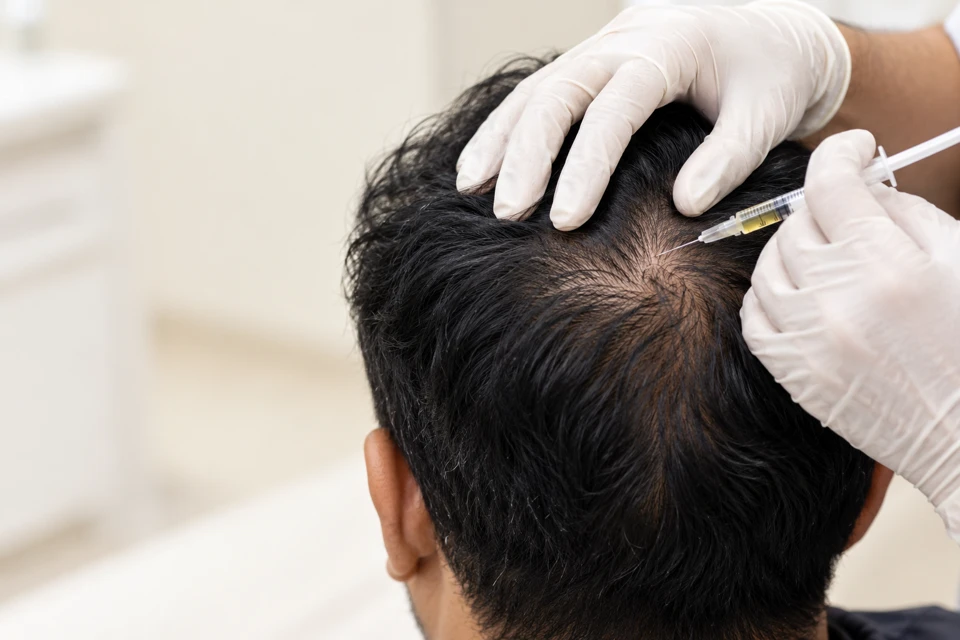
A prescribed medical treatment may aim to slow progression or support growth from existing follicles. A transplant moves follicles into a chosen area. A hair system gives cosmetic coverage while it is worn. Injection-based options may be discussed for selected cases, but they do not make these other approaches equivalent. The choice depends on the diagnosis, amount and distribution of loss, medical history and the result you would find worthwhile.
Topical minoxidil is one established option discussed in dermatology guidance for pattern loss. It needs ongoing use to maintain benefit and can cause irritation; suitability and formulation require individual advice. Other prescribed medicines have different precautions, including reproductive considerations and potential side effects. Oral treatment should not be started from a website description. A plan needs to account for pregnancy plans, other medicines and medical conditions where relevant.
Reading progress over months rather than days
Pattern thinning is often a long-term condition. Treatment is assessed over months, and stabilization can be meaningful even without dramatic regrowth. The British Association of Dermatologists notes that benefit from topical minoxidil in male pattern loss may take six to twelve months to assess. This is a reference for one treatment, not a timetable for every option or a reason to ignore troublesome side effects until the review date.
A useful budget includes repeated prescriptions, follow-up and any optional procedures rather than a single headline fee. In India, request the proposed cost in rupees and check whether medicines, tests and maintenance are included. Consistency matters, so an affordable routine that can be sustained may be more practical than an extensive plan that is quickly abandoned. Decisions about continuation should consider your own photographs, tolerability and priorities alongside the clinician’s assessment.
The stages of your care
Establish the baseline
Document the pattern, scalp findings and goals. Distinguish progressive thinning from shedding or a separate inflammatory condition.
Maintain the agreed routine
Consistency and tolerability are reviewed together. Report problems instead of independently increasing a medicine or adding overlapping products.
Assess over months
Compare repeatable photographs and the clinical examination. Discuss preservation, regrowth and cosmetic coverage as separate outcomes before changing the plan.
Preparing, and looking after yourself afterwards
Before your appointment
- Bring photographs taken before the change and a record of products or prescriptions used.
- Be clear about the time and maintenance you can realistically manage.
Aftercare and follow-up
- Follow the agreed care and photography schedule.
- Discuss side effects or difficulty following the plan at review rather than quietly discontinuing it.
Risks and honest limits
- Treatments may need continued use or repeat visits; visible improvement is not guaranteed.
- A transplant is a separate decision involving donor supply and future hair-loss planning.
Questions to help you decide
Look beyond the most visible area
Explain whether the change affects the parting, front hairline, crown or the scalp more generally. Ask how the surrounding hair and donor area, if surgery is being considered, influence the longer-term plan. A small visible area can still be important to you, but treatment should not ignore how the pattern may evolve. Discuss styling practices and any regular tension on the hair so the assessment includes factors that photographs may not reveal.
Make treatment sustainable
Compare the daily routine, follow-up appointments, possible side effects and ongoing cost of the options discussed. If a medicine is recommended, ask how it should be used and what to do if it does not fit your routine. Do not assume an injection or procedure eliminates all future care. A plan that is difficult to maintain deserves an honest conversation early, especially if travel, shift work or other commitments make regular appointments challenging.
Measure density consistently
Choose a few repeatable photographs rather than comparing different hairstyles in different lighting. Record treatment changes and bring the same concerns to each review. Ask what improvement, stabilization or lack of response would mean for the next decision. Sometimes preserving existing hair is an important outcome even when dramatic regrowth is not expected. The clinician should explain that distinction clearly so you are not judging the plan against a promise it cannot reasonably make.
Common questions about hair thinning
Can thinning happen without obvious shedding?
A change in density may be noticed even without seeing a large amount of shed hair. The pattern should be assessed.
How should I compare progress photos?
Use similar lighting, angles and hair styling, and review them at planned intervals with the clinician.
Do I automatically need a transplant?
No. The cause, extent, donor supply and your priorities determine what options are worth discussing.
Can thinning happen without heavy shedding?
Yes, a gradual change in density can be noticed even without unusually large amounts of hair appearing during washing. Tell the specialist what has changed visually and over what period. Assessment should consider the pattern rather than relying only on a daily estimate of shed hair.
When should a transplant enter the discussion?
It can be discussed when appropriate after diagnosis and assessment of the donor supply, the thinning pattern and expectations. It is not automatically the next step after a short trial of another treatment. Ask how the existing hair and possible future thinning would be managed.
Sources and further reading
General patient information. Your treating clinician should confirm which advice applies to you.