Understanding scar treatment
A scar is a change in the structure of skin after healing. It may be indented, raised, firm, discoloured or a combination of these features. The cause, age, location and symptoms all influence the discussion. An acne indentation and a raised scar after an injury are not the same problem. If a scar is painful, itchy or restricts movement, mention those effects as well as appearance. A useful treatment goal may be improved comfort or texture rather than complete disappearance.
Different scar types may require different approaches, sometimes in stages. Options discussed in dermatology can include injections, selected procedures or supportive care, but not every option fits every scar. A clinician needs to examine the area and discuss your healing history before making a recommendation. Tell them if previous cuts, piercings or operations produced raised scars. The consultation should explain which feature is being targeted and what is unlikely to change, especially when the scar has more than one visible characteristic.
Could this be right for you?
Who it may suit
- People concerned about the texture, prominence or symptoms of an established scar.
- A new, changing or uncomfortable scar needs assessment before cosmetic treatment is planned.
What your assessment should cover
- Discuss how the scar formed, previous procedures, healing problems and any history of keloids.
- Ask which aspect can be improved: depth, colour, firmness, discomfort or movement.
How the care pathway works
Classify the scar
Raised scars and depressed scars need different approaches. A single device is not suitable for every scar.
Compare options
The specialist may discuss procedures, injections or other care according to scar type and availability.
Plan staged review
Ask whether treatment will be staged and how changes will be assessed before the next step.
A scar is a change in tissue, not just colour
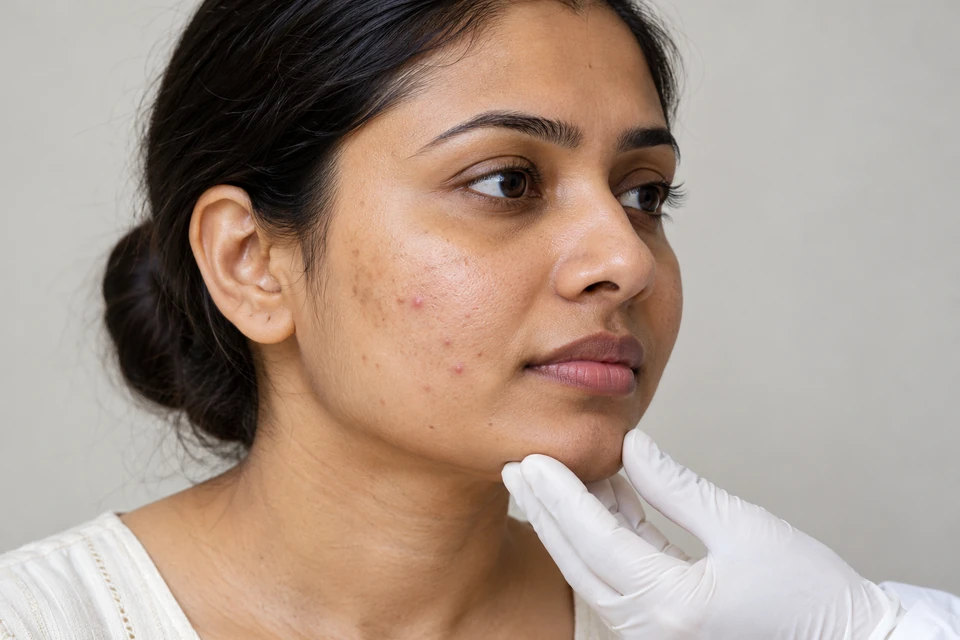
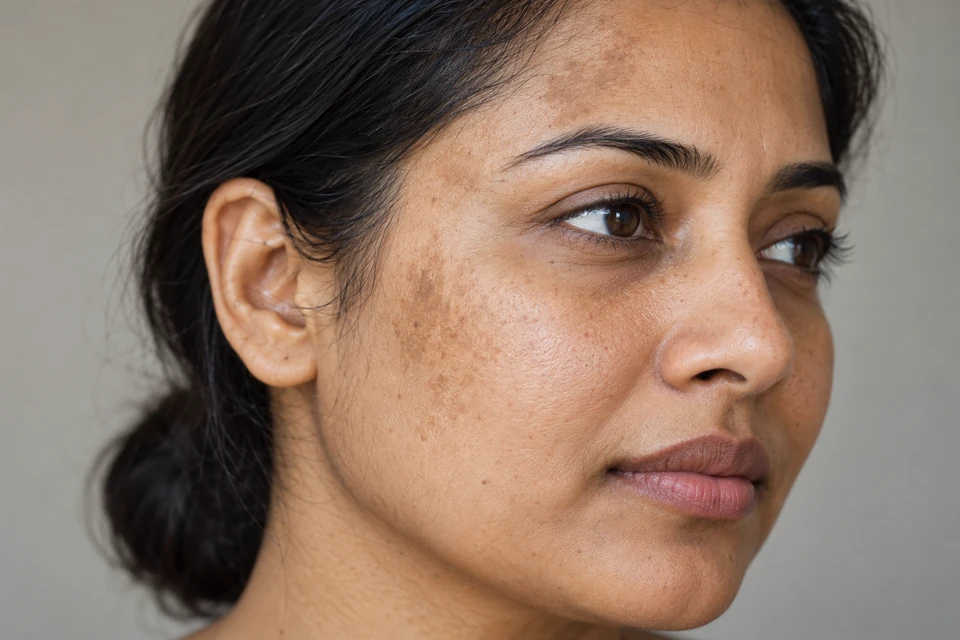
A scar forms as skin repairs an injury. Its appearance depends on how the repair tissue develops, where the injury occurred and how the area moves. A flat brown mark after inflammation is different from a depression, a raised ridge or a tight scar that limits movement. These differences matter because a colour-focused treatment cannot be assumed to correct the underlying texture.
The history is part of the diagnosis: acne, a burn, an operation and an accidental cut create different starting points. A scar that is growing, painful or restricting movement deserves assessment beyond its cosmetic appearance. The plan should describe which feature is being addressed first.
Raised scars and depressed scars need different strategies
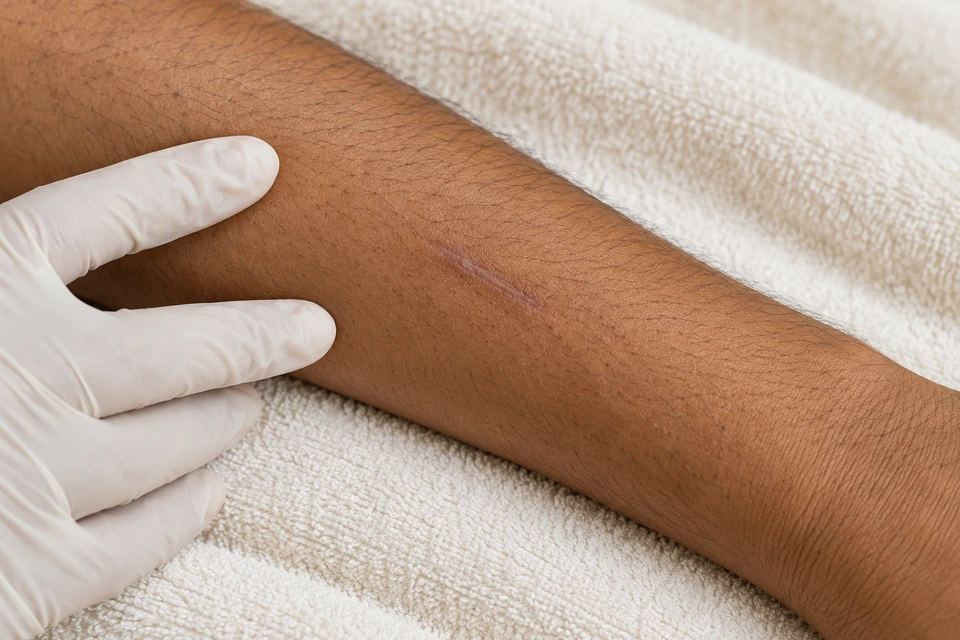
A raised scar involves excess repair tissue. Keloids extend beyond the original injury and can recur after treatment. Options for selected raised scars may include silicone products, injections or other specialist approaches. Cutting out a keloid is not automatically a final solution, so recurrence planning matters.
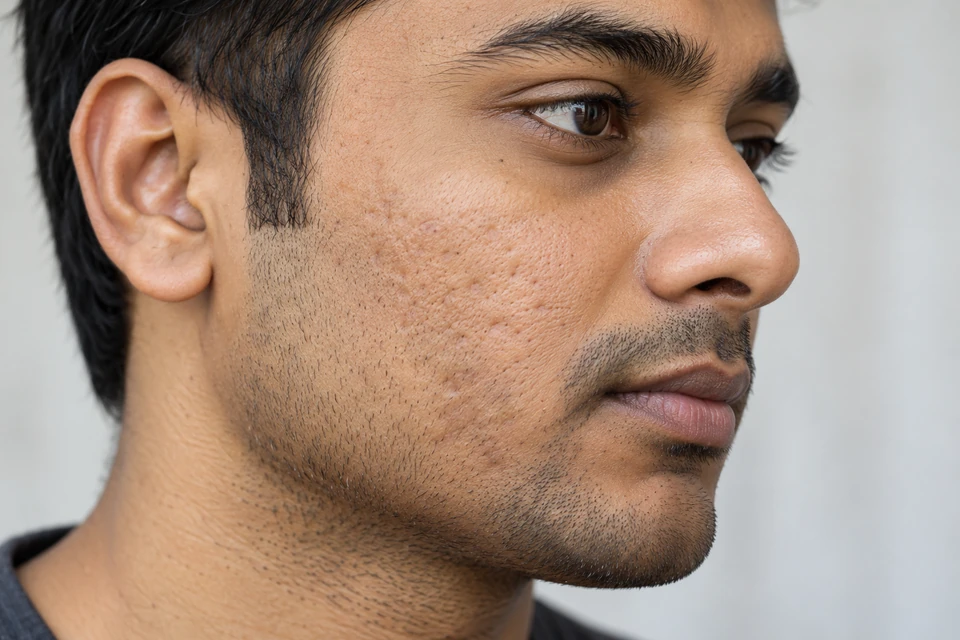
A depressed scar represents a different structural problem. Selected treatments aim to improve the contour or stimulate remodelling, and some scars need more than one method. These categories describe possible medical approaches, not a claim that every procedure is available at every Cosmo Looks branch. The examination should identify the scar type before a technique is proposed.
Observation, camouflage and scar comfort are valid options
Not every scar requires a procedure. Some scars change as they mature, and observation may be reasonable when there is no concerning symptom or functional restriction. Camouflage products can help someone who mainly wants temporary coverage for work or an event. Comfort, itch and movement may be more meaningful goals than eliminating every visible line.
Silicone gel or sheets may help selected scars become softer or less prominent. They are used on healed skin according to the care instructions, not as a substitute for treating an open wound. Tolerance and consistency matter; redness or a rash under a product should prompt a review of its use.
Plan around healing, not a promise of scar removal
Photographs from the same angle help distinguish a contour change from a lighting effect. A good review also asks whether tightness, tenderness or itch has changed. Scar reduction is a more realistic aim than complete erasure, and several small improvements may matter more than one dramatic before-and-after comparison.
The cost depends on scar size, number, location, technique and the need for follow-up. Recovery arrangements also have a cost in time: dressings, sun protection, transport and taking a break from activities may need planning. Before a course begins, identify the reason for repeating treatment and what would justify stopping or changing direction.
The stages of your care
Assessment
Classify the scar, establish its age and cause, and consider symptoms or movement restriction.
Healing and treatment reviews
Timing varies widely with the scar and intervention. A scar may continue changing for months, so a fixed number of visits cannot guarantee an endpoint.
Longer-term follow-up
Monitor changes in contour and symptoms. Keloids may return, making follow-up part of the discussion even after an initial improvement.
Preparing, and looking after yourself afterwards
Before your appointment
- Bring older photographs and details of surgery or injury if available.
- Share your tendency to develop dark marks, raised scars or prolonged redness after injury.
Aftercare and follow-up
- Follow the specific wound-care and sun-protection instructions for your procedure.
- Do not pick healing skin; keep follow-up appointments and report concerning changes.
Risks and honest limits
- Scars cannot be guaranteed to disappear. Some raised scars can recur.
- Procedures may cause pigment change, infection or additional scarring; discuss your individual risks.
Questions to help you decide
Describe the scar in practical terms
Bring a timeline of how it developed and any previous treatment records. Explain whether your concern is a depression, a raised edge, colour, tightness or discomfort. This helps translate a general wish to improve the scar into a specific plan. Photographs taken during earlier healing can be useful context if available. Do not assume a scar has failed to heal just because it looks different from surrounding skin; ask how its current stage affects treatment choices.
Match recovery to the procedure
Ask what the proposed treatment actually does, whether it affects the surface of the skin and how the area will need to be protected afterwards. Care for a facial scar can differ from care for a scar under clothing or near a joint. Discuss commuting, outdoor activity and any event that matters to you. A general claim of no downtime is less useful than clear advice about redness, dressings, washing and when normal activities can resume.
Judge progress feature by feature
Choose the main outcome to review: depth, raised texture, discomfort or another agreed feature. A scar may change in one respect without improving equally in every other respect. Consistent photographs and a symptom record can make that discussion more precise. Ask how many stages might be considered and when the clinician would advise stopping. The goal is a proportionate improvement that matters to you, rather than pursuing repeated procedures in search of an invisible scar.
Common questions about scar treatment
Can every scar be removed?
No. Treatment aims for improvement, and the possible change depends on scar type and individual healing.
Is laser always the best choice?
No. Ask the specialist to compare suitable options rather than selecting a device before the scar is assessed.
What if I form keloids?
Tell the clinician before any procedure. This history can change the treatment choice and aftercare plan.
Can one treatment remove every type of scar?
No single method suits every scar. Raised and indented scars can need different approaches, and colour may need to be considered separately from texture. Ask why the recommended method matches the scar being examined and what alternatives are reasonable for your priorities.
What should I disclose before a scar procedure?
Share your healing history, previous procedures, current medicines, recent tanning and any history of cold sores near the planned area. These details help the clinician assess precautions and timing. Follow the individual preparation instructions rather than stopping medicines or using strong products on your own.
Sources and further reading
General patient information. Your treating clinician should confirm which advice applies to you.