Understanding uneven skin tone & dullness
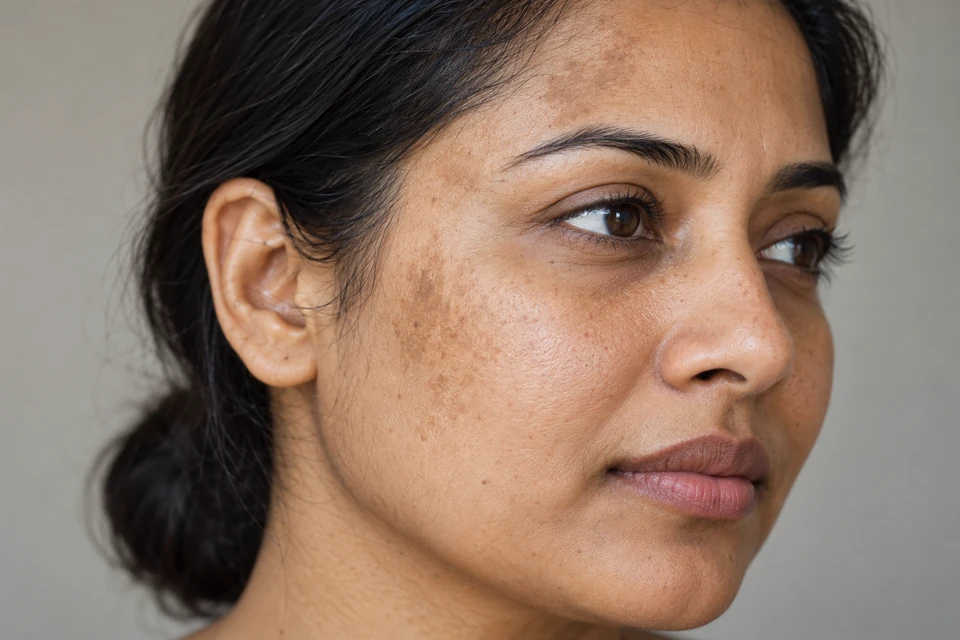
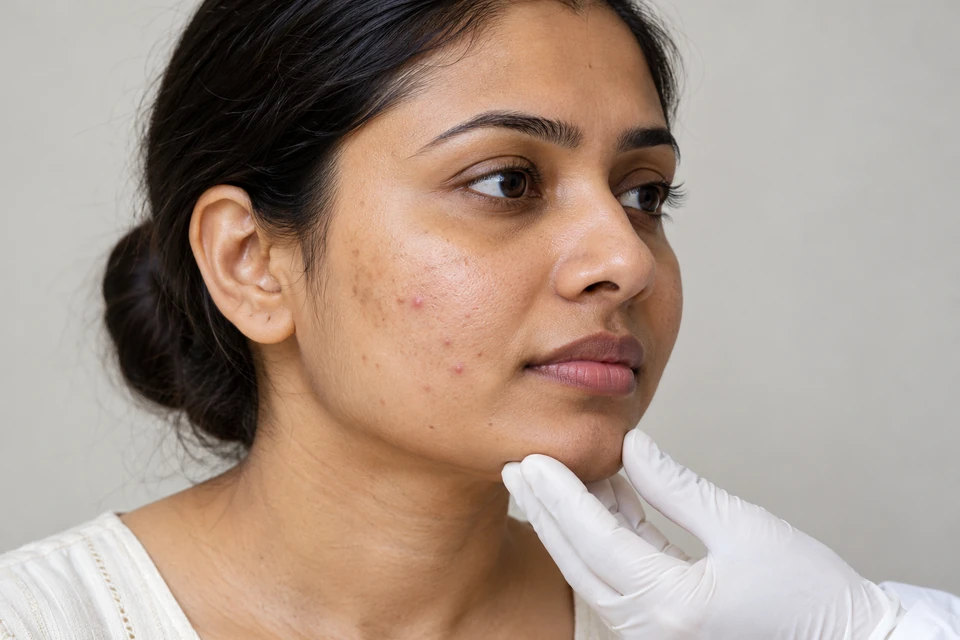
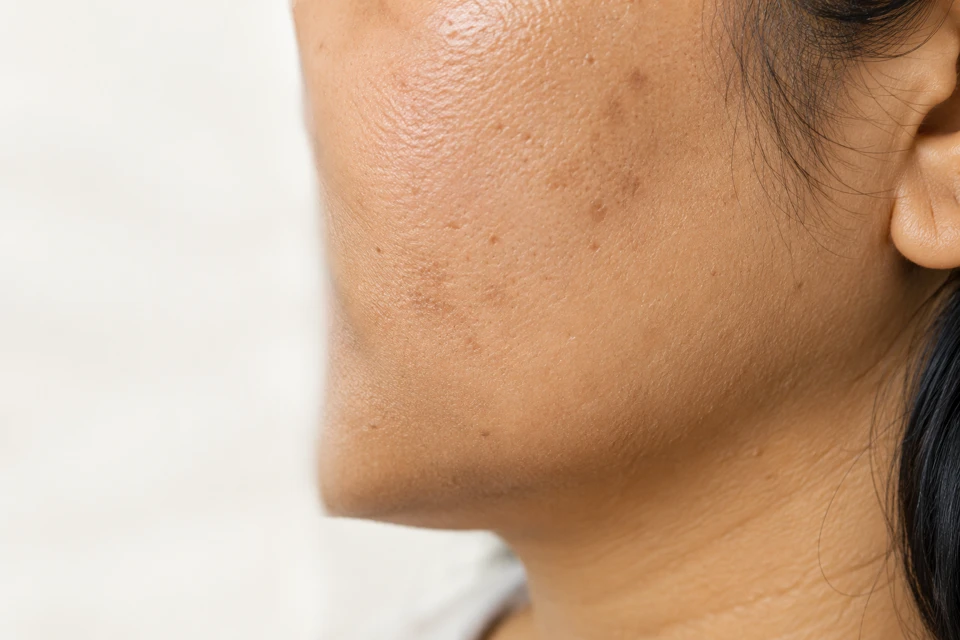
Uneven tone can mean several different things: patches after acne, irritation-related darkening, melasma, redness or isolated spots. The way light falls on skin can also change how even it appears in photographs. Before choosing treatment, describe the area, the timing and whether there are symptoms such as itching or stinging. An examination can distinguish colour variation from another skin concern. The aim is a healthier, more comfortable routine and management of an identified problem, not changing your natural complexion.
When dark marks follow inflammation, addressing the cause is an important part of the plan. Repeated irritation can make a routine counterproductive even when the products are marketed for brightening. The American Academy of Dermatology recommends first identifying what is causing dark spots rather than focusing only on fading them. An unexplained or changing spot needs assessment before cosmetic treatment. This page is a guide to the discussion and cannot identify a mark from its colour alone.
Could this be right for you?
Who it may suit
- People with persistent uneven colour or marks who want to understand the cause.
- People using several brightening products without a clear plan or experiencing irritation.
What your assessment should cover
- Bring your current skin-care routine and describe when the change began.
- Tell the specialist about outdoor exposure, new products, previous peels or lasers and any reaction afterwards.
How the care pathway works
Identify the concern
The clinician distinguishes pigment changes from texture, dryness or another skin issue.
Simplify the routine
Discuss suitable cleansing, moisturising and sun protection, with specific treatment if needed.
Review before adding more
Ask what a procedure would add to the plan and whether its benefits justify the recovery and risks.
Dullness describes an appearance, not a diagnosis
People use dullness to describe several different things: dryness, rough texture, patchy colour or a tired-looking appearance in photographs. The same word can therefore lead to very different treatment choices. An examination should separate surface texture from pigment changes before a brightening procedure is considered.
Lighting, makeup and camera settings also affect the way skin looks. Your natural skin colour is not a condition to correct. The useful question is whether there is a specific change that bothers you, when it began and whether it comes with discomfort, flaking, itching or other symptoms.
Why comfortable skin comes before more exfoliation
The outer skin layer helps retain moisture and protect against irritation. When skin is dry or irritated, repeatedly using scrubs, acids or unfamiliar active products can make the routine less tolerable. More exfoliation is not automatically the answer to a rough or uneven-looking surface.
A review of cleanser, moisturiser, sunscreen and other products can identify an unnecessarily complicated routine. Names and ingredient photographs are useful because products marketed for similar purposes may contain very different ingredients. The first improvement may be better comfort and less irritation, which provides a more stable starting point for addressing the remaining concern.
Match the option to the feature you want to change
Flat marks after acne are different from broad melasma patches, and both differ from a textural scar. A pigment-focused prescription or procedure should have a defined target. If an assessment identifies melasma, the dedicated pigmentation page provides more detail on recurrence and maintenance.
Peels or other resurfacing approaches may be discussed for selected concerns, but the depth and intensity affect recovery and risk. A superficial treatment does not have the same role as a deeper procedure. Descriptions such as instant glow give little information about the actual method, the evidence for your concern or the possibility of irritation.
Choose a sustainable plan over repeated quick fixes
For an Indian commute, outdoor errands or festival travel, protection needs to fit the day you actually have. A sunscreen you can use comfortably, shade where possible and a simple routine are more workable than buying many products without a clear order. Darker skin tones still need protection and can develop unwanted pigment changes after irritation.
Record the concern in similar lighting before starting and at agreed review points. A quotation should distinguish routine skin care from optional procedures and any maintenance. Compare the likely benefit, recovery time and recurring expense. Choosing not to have a procedure is reasonable when the concern can be addressed with a simpler plan or does not require treatment.
The stages of your care
Clarify the concern
Separate texture, dryness and colour change; assess symptoms and review current products.
Review the first approach
Give the agreed routine an appropriate period to assess comfort and progress. Different causes of uneven appearance do not share one response time.
Maintain or reassess
Continue what is useful and review persistent or changing areas. Repeated irritation is a reason to reassess, not to escalate exfoliation automatically.
Preparing, and looking after yourself afterwards
Before your appointment
- Keep product names or label photographs ready for the consultation.
- Mention new, changing, bleeding or symptomatic spots rather than assuming every mark is cosmetic.
Aftercare and follow-up
- Follow the agreed routine and sun-protection advice.
- Contact the clinic about persistent stinging or darkening instead of increasing product strength.
Risks and honest limits
- The goal is a healthier, more even appearance, not changing your natural skin colour.
- Irritation can contribute to dark marks, particularly in deeper skin tones; stronger treatment is not automatically better.
Questions to help you decide
Audit the routine before adding products
Bring a list or photographs of everything used on the area, including cleansers, scrubs, serums, creams, salon products and home remedies. Note which products were introduced before the change and which cause discomfort. A useful consultation should simplify the plan into understandable steps with a purpose for each. Adding several new products together makes it harder to know which one helps or causes a reaction, so discuss how changes will be introduced and reviewed.
Choose a goal that respects your skin
Explain whether you are concerned about a defined patch, marks left by acne or general inconsistency in appearance. Ask what can realistically improve and what represents normal variation. Sun protection and gentle routine care may form part of the discussion, while selected medical or procedural options depend on the diagnosis. A promise to make all skin uniformly lighter does not provide a meaningful clinical goal or a sensible way to assess treatment success.
Review colour in ordinary conditions
Take comparison photographs in similar daylight without filters, heavy makeup or changes in camera exposure. Discuss both appearance and comfort at review; a less tolerable routine is not automatically a better one because it contains stronger ingredients. Ask whether the plan needs ongoing maintenance and how to respond if the concern returns. If you spend time outdoors or travel frequently, explain that routine so the recommended care can be practical enough to continue.
Common questions about uneven skin tone & dullness
Do I need skin lightening?
Start by identifying the concern. Care should respect your natural skin tone and avoid fairness promises.
Can acne marks be treated the same as scars?
Colour changes and changes in skin texture are different. The assessment should distinguish them.
Should I use several brightening products together?
Ask the clinician to review your routine first, especially if you have irritation or sensitive skin.
Is uneven tone the same as pigmentation?
Pigmentation may be one explanation, but the phrase uneven tone is broader and can include other visible changes. A clinician needs to assess the pattern and symptoms before choosing treatment. Use the pigmentation guide if dark patches are your main concern, while keeping the diagnosis open until examined.
Should I exfoliate more to make my skin look even?
More exfoliation is not automatically helpful, particularly if the skin already stings, peels or feels irritated. Describe your current products and frequency of use at the consultation. Ask for a routine suited to the identified concern instead of repeatedly increasing the strength or number of products.
Sources and further reading
General patient information. Your treating clinician should confirm which advice applies to you.