
Understanding hair greying
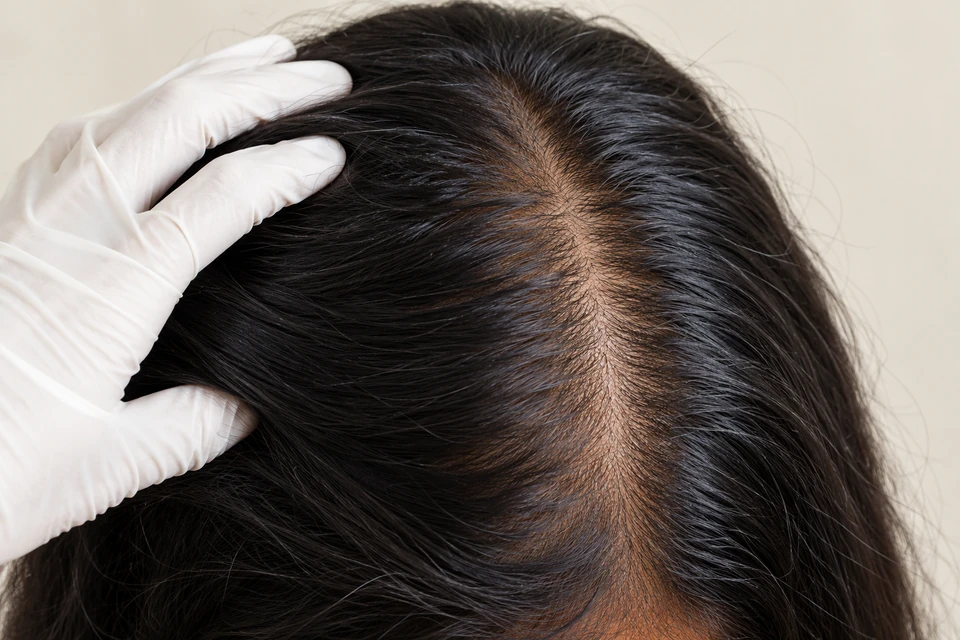
Hair colour comes from melanin, and greying occurs as the hair develops with less pigment. Age and family pattern often play a role, while the history may sometimes suggest another issue worth assessing. The purpose of a consultation is to understand the timing and context, not assume that all early greying has a correctable deficiency. Tell the specialist whether the change is gradual or rapid, whether it runs in the family and whether other hair or scalp symptoms are present.
Current medical care cannot reliably promise to restore naturally pigmented hair in ordinary greying. If an underlying condition is identified, treating it can be important for health without guaranteeing that grey hair will regain colour. This distinction is central to an honest treatment conversation. Claims about reversing age, activating pigment permanently or curing all grey hair should be approached critically. Choosing to keep grey hair, cover it cosmetically or seek an assessment are all valid personal choices.
Could this be right for you?
Who it may suit
- People concerned about early greying or a change they want assessed.
- People who want guidance on cosmetic coverage and scalp tolerance rather than a promise of reversal.
What your assessment should cover
- Discuss when greying began, family history, diet, medicines and any other symptoms.
- Mention reactions to dyes or products and whether the main concern is colour, texture or hair loss.
How the care pathway works
Understand the history
The specialist considers whether the pattern is consistent with normal or familial greying or merits further assessment.
Investigate selectively
If an underlying health issue is suspected, the clinician can explain whether testing or referral is appropriate.
Discuss practical choices
Cosmetic coverage may be discussed alongside scalp care, without presenting dyeing as a medical cure.
Where natural hair colour is produced
Pigment-producing cells associated with the hair follicle supply melanin as the hair grows. The strand already outside the scalp is not living tissue that a supplement can simply recolour from within. Greying reflects reduced pigmentation in newly produced hair. A cosmetic dye changes the appearance of the shaft, which is a different process from restoring the follicle’s natural pigment production.
Greying, shedding and miniaturisation describe different changes. A person may have more than one concern, but improvement in one does not prove improvement in another. Hair colour also affects the contrast between scalp and strands, which can change how dense the hair looks in photographs. Clear records distinguish actual density change from a new dye colour, different lighting or a shorter hairstyle.
When investigation is useful and what it can establish
Family pattern and age are useful context, while unusually early or rapid change can be discussed alongside diet, medicines and other symptoms. Testing is guided by that history and examination. A confirmed deficiency or medical condition deserves appropriate management for health, even when a change in hair colour is uncertain. Finding an association is not the same as proving that correcting it will reverse every grey strand.
Research into pigment cells and hair ageing does not yet translate into a reliable routine treatment that permanently reverses ordinary greying. Laboratory findings, small observations and testimonials have different evidential value. A product described as antioxidant, natural or pigment-activating still needs convincing human evidence for its claims. This is particularly relevant when comparing expensive supplement courses or procedures that promise colour restoration without a clear diagnosis.
Cosmetic colour choices and scalp safety
If you choose to colour, follow the particular product’s instructions, including the recommended skin test before each use. Previous uneventful use does not rule out a future reaction. The FDA notes that sensitivity can develop and formulations can change. A reaction to one product is a reason to obtain advice, not simply switch to another product marketed as herbal or gentle without checking its contents.
Do not apply dye to an irritated or damaged scalp. Persistent rash or swelling after colouring needs medical advice; breathing difficulty or rapidly developing facial or throat swelling requires urgent medical care. Product testing at home is not the same as dermatologist-led allergy testing after a reaction. For budgeting in India, separate any clinically indicated consultation or tests from optional colouring and maintenance. You can also choose no cosmetic treatment at all; natural greying does not require correction.
The stages of your care
Understand the change
Record timing, family pattern, other symptoms and any colouring history. Assessment determines whether investigation is useful.
Make a personal choice
Manage any diagnosed health issue separately from the decision to keep grey hair or use cosmetic colour.
Review only what needs review
Follow up identified conditions or reactions. Routine greying does not require repeated procedures, and colour maintenance should remain optional.
Preparing, and looking after yourself afterwards
Before your appointment
- Bring product or dye labels if you have experienced a reaction.
- Avoid purchasing a reversal package before the cause and evidence are explained.
Aftercare and follow-up
- Follow instructions for any diagnosed condition and return for the advised review.
- Ask about safe product use and assessment of persistent itching or irritation.
Risks and honest limits
- No treatment should promise to permanently reverse age-related greying.
- Hair dyes can irritate the scalp or cause allergy; discuss your previous reactions.
Questions to help you decide
Keep testing focused
Ask why an investigation is being suggested and what difference the result would make to your care. Bring information about diet, medicines, supplements and any relevant previous reports. A long list of tests or a large supplement pack does not itself show that the cause has been found. If a deficiency or other condition is diagnosed, ask how that finding will be managed and reviewed without treating hair colour as the only measure of success.
Discuss colouring as a separate choice
If you colour your hair, explain the products you use and any previous itching, swelling or rash. Hair dyes can cause reactions, and an assessment of an irritated scalp is different from an assessment of greying. Ask how to follow the product’s safety instructions and whether your history needs additional medical advice. Cosmetic colour changes the appearance of hair; it should not be described as evidence that a medical treatment has reversed the underlying process.
Separate colour from density
Greying and thinning can occur together, but they need not have the same cause or the same solution. If both concern you, describe each separately: when colour changed, where fullness changed and whether shedding increased. Ask which part of the proposed plan targets each concern. A treatment that improves density should not automatically be credited with reversing greying, and a change in hair colour can alter the appearance of coverage without changing the number of hairs.
Common questions about hair greying
Can grey hair reliably be turned black again?
There is currently no established medical treatment that reliably restores colour to normally greying hair.
Should I take supplements?
Only discuss them in the context of your health and any identified deficiency. More supplements do not necessarily mean more pigment.
Does early greying always mean illness?
No. Family history can matter. A clinician can decide whether your history suggests a reason to investigate.
Can a vitamin treatment bring back my original colour?
It should not be promised. If a deficiency is confirmed, the clinician can explain why it needs treatment and what changes are reasonable to expect. Taking vitamins without establishing a need does not provide a reliable solution for greying and can distract from a useful assessment.
Is it necessary to treat grey hair?
Not usually for appearance alone; whether you want cosmetic colour is a personal preference. A consultation may still be useful if the timing worries you or there are accompanying symptoms. The conversation should respect your choice rather than treating natural greying as a defect that requires a package.
Sources and further reading
General patient information. Your treating clinician should confirm which advice applies to you.