
Understanding bridal & groom care
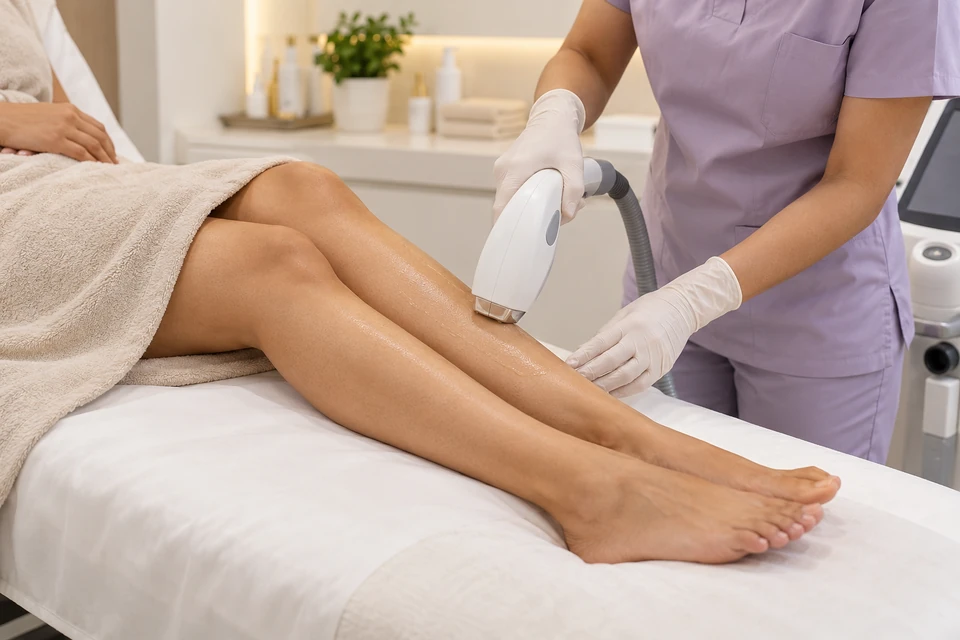
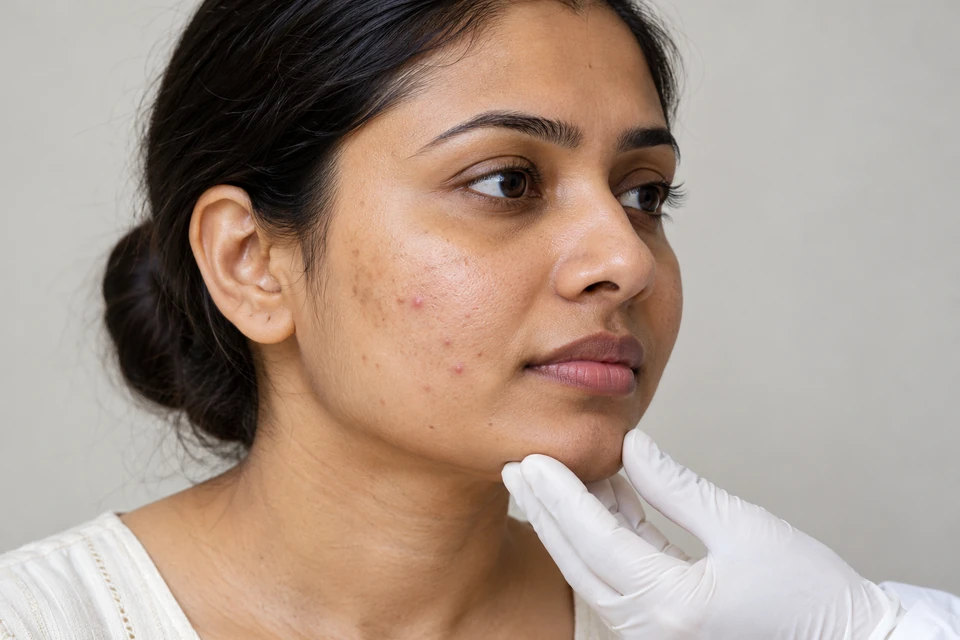
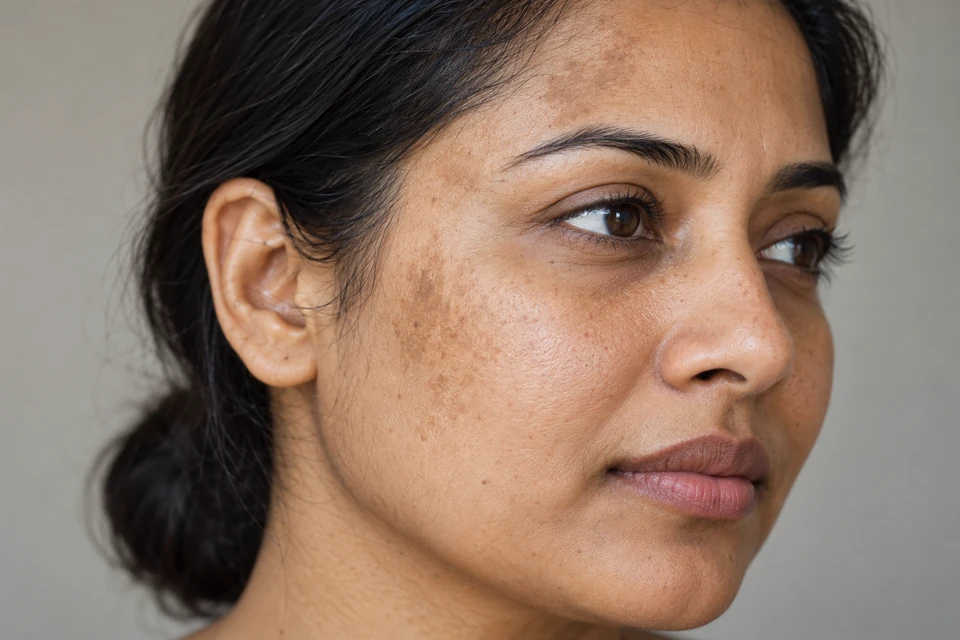
Wedding skin and hair care works best when the plan starts with your existing concerns and the actual event calendar. Acne, pigmentation, sensitivity, unwanted hair and scalp concerns need different conversations. A bridal or groom label does not create a medical reason for treatment. The aim is to help you make comfortable, informed choices while preserving the way you want to look. You do not need a full package or a change in skin colour to prepare for an important occasion.
Share all relevant dates, including ceremonies, travel, photography, makeup trials and any planned outdoor events. The main wedding day may not be the only date when visible redness or peeling would matter. If you are considering a medical procedure, ask about its recovery and review needs before fitting it into the calendar. A short deadline can be a reason to keep the plan simple. It should not lead to stronger treatment, several unfamiliar products or a guarantee of an event-day transformation.
Could this be right for you?
Who it may suit
- Brides and grooms who want help planning care around a wedding timeline.
- People with concerns such as recurring acne, pigmentation, unwanted hair or scalp changes who want individual advice.
What your assessment should cover
- Bring the dates of the wedding, ceremonies, travel and photography sessions.
- Explain your main concern, current routine, available time and total budget.
How the care pathway works
Prioritise
Choose the concerns that matter most to you. A short, realistic plan is more useful than a long treatment list.
Plan backwards
Discuss which steps need assessment, preparation, a test area or visible recovery, and allow a buffer.
Keep the final weeks simple
Confirm what to continue and what not to introduce near your events. Keep a contact route for unexpected reactions.
Start with a concern list and your actual calendar
Wedding preparation works best when the plan begins with what you want help with: recurring acne, uneven tone, unwanted hair, scalp concerns or simply a reliable routine. These do not require the same treatment or the same amount of time. Choosing three important priorities is often more useful than committing to a long package of unrelated procedures.
Include the engagement, pre-wedding photographs, haldi, mehendi, ceremony and travel dates where relevant. A treatment window must account for the occasions when you want comfortable skin, not only the main wedding day. There is no medical requirement to change your natural complexion or facial features to be ready for marriage.
Why some concerns need an earlier start
Acne treatment is generally assessed over weeks rather than days, while pigment changes and hair-related concerns can take longer to evaluate. A programme that begins early leaves room to see whether the first approach is effective and tolerated. That is different from promising that every concern will be resolved by a fixed date.
New products can irritate skin, even when they are marketed as gentle or event-ready. Introducing multiple products and procedures together makes a reaction harder to trace. A staged approach also helps coordinate clinical care with salon appointments, makeup trials and grooming, rather than leaving each provider unaware of what the others have planned.
Near the event, predictability matters
As the celebration approaches, the balance often shifts towards maintaining a familiar routine. A procedure with uncertain recovery may be less useful than comfortable skin and a clear plan for makeup removal, moisturising and sun protection. If a new breakout or rash appears, assessment is more helpful than trying several emergency remedies at once.
Tell the clinician about facial waxing, threading, bleaching, peels and any products used during trial sessions. The purpose is to avoid overlapping irritation, not to assume all grooming needs to stop. Instructions should be specific to the treatment you receive and the condition of your skin at that time.
Make the plan work beyond the photographs
For outdoor functions and travel, consider shade, a wearable sunscreen and how you will carry the products already agreed for your routine. Sweat, makeup and changing schedules can make a complicated regimen difficult to maintain. A plan with clear essentials is easier to follow when several events happen close together.
Ask for costs to be separated by concern and by optional intervention. Include follow-up after the wedding if a treatment requires it; leaving for a honeymoon should not mean losing access to aftercare. A successful plan may involve fewer procedures than expected, with progress judged against your own priorities rather than a prescribed bridal look.
The stages of your care
Several months available
Assess persistent concerns and allow time to review response. The schedule should match the diagnosis, not a standard countdown package.
Weeks before celebrations
Review tolerance, coordinate grooming and makeup plans, and confirm any remaining recovery requirements.
Final days and travel
Prioritise familiar care and the agreed aftercare plan. Avoid assuming an unfamiliar procedure can deliver a predictable last-minute result.
Preparing, and looking after yourself afterwards
Before your appointment
- Share previous reactions to facials, peels, waxing, makeup and hair products.
- Coordinate clinic appointments with salon services and travel rather than overlapping them without advice.
Aftercare and follow-up
- Keep to the agreed routine and review appointments.
- Tell the team if dates change, irritation develops or you are considering another treatment elsewhere.
Risks and honest limits
- Event dates do not make an unsuitable procedure safe. Some concerns cannot be resolved in a short window.
- Results vary; a wedding package should not promise flawless skin or guaranteed hair growth.
Questions to help you decide
Prioritize the concern that matters most
Choose the issue that would make the biggest practical difference to your comfort. For example, recurring breakouts require a different plan from a desire to make makeup sit more comfortably on the skin. Discuss the routine you already tolerate and the products used by your makeup artist or barber. Clear priorities help prevent a preparation plan from growing into unrelated treatments simply because they are commonly advertised together for weddings.
Coordinate without overcrowding the calendar
Tell the clinician about salon services, hair colour, facials, hair removal and other appointments already booked. Ask whether any should be separated, postponed or avoided for the proposed treatment. The answer depends on what is actually planned, so keep a written schedule that everyone involved can understand. Leave room for follow-up and practical adjustments. A quieter final period can be more manageable than filling every available day with a different service.
Protect consent and personal preference
Your partner, family or photographer may have opinions, but the decision should reflect your own goals and comfort. Ask for the expected benefit, limitations, recovery and total cost of each proposed step. You can decline a procedure or choose routine care only. Natural skin texture and variation in tone are normal; photographs and makeup should not become a reason to promise flawless skin or suggest that a lighter complexion is required for the occasion.
Common questions about bridal & groom care
How early should I book?
Book once you know the dates so the specialist can assess the available time. The right lead time depends on the concern and proposed care.
Can I get a new procedure just before the wedding?
Discuss recovery and the risk of a reaction. The clinic may advise postponing an unfamiliar or unsuitable procedure.
Do I need a package?
No. Ask for a plan around your priorities and decide on individual steps after discussing their purpose and costs.
My wedding is soon. Is it too late to seek advice?
You can still discuss your concerns and current routine. The recommendation may focus on keeping the skin comfortable and avoiding unnecessary changes rather than fitting in a procedure. Tell the clinician the exact dates so advice reflects the time available for recovery and review.
Should both partners take the same package?
No. Skin, hair, medical history, existing products and preferences can differ. Each person should have an individual assessment and decide what they want addressed. A shared event date is useful for planning, but it does not mean the same treatments are appropriate for both people.
Sources and further reading
General patient information. Your treating clinician should confirm which advice applies to you.